If you have shopped around for custom t-shirts or branded apparel in Miami lately, you have probably seen the term DTF printing come up. So what is it, in plain English?
DTF stands for Direct-to-Film. Your design is printed onto a special clear film, dusted with a powdered adhesive, and then heat-pressed directly onto the fabric. The result is a soft, full-color print that bonds into the garment and holds up to real-world washing. That is the whole idea in one sentence — everything below just explains the details.
It has quickly become one of the most popular ways to decorate apparel because it is flexible, vivid, and works on almost any fabric. Let's break down exactly how it works and when it is the right choice.
How DTF Printing Works
The process has a few clear steps, and each one matters for the final quality:
- Print the design onto film. A specialized printer lays down your artwork in full color (CMYK) plus a layer of white ink onto a clear PET film. The white layer is what lets the colors pop on dark garments.
- Apply the adhesive powder. While the ink is still wet, a fine hot-melt adhesive powder is applied to the back of the print and shaken off the empty areas.
- Cure the powder. The film passes through heat, which melts the powder into a smooth glue layer that will bond to fabric.
- Heat-press onto the garment. The film is positioned on the shirt, hat, or bag and pressed with heat and pressure for a set number of seconds.
- Peel the film. Once it cools (or while warm, depending on the film), the clear backing peels away, leaving only your design fused to the fabric.
That's it. No screens to burn, no color separations, no minimum quantities to make it worthwhile. You can read more about our full DTF printing service if you want the production-side details.
What DTF Is Best For
DTF shines in situations where other methods get complicated or expensive. It is a great fit for:
- T-shirts and custom tees — the everyday workhorse of branded apparel.
- Hoodies and sweatshirts — thick fabrics that still take a clean print.
- Tote bags and accessories — cotton, canvas, and blends all work.
- Dark fabrics — the white ink layer means black and navy garments look just as bright as white ones.
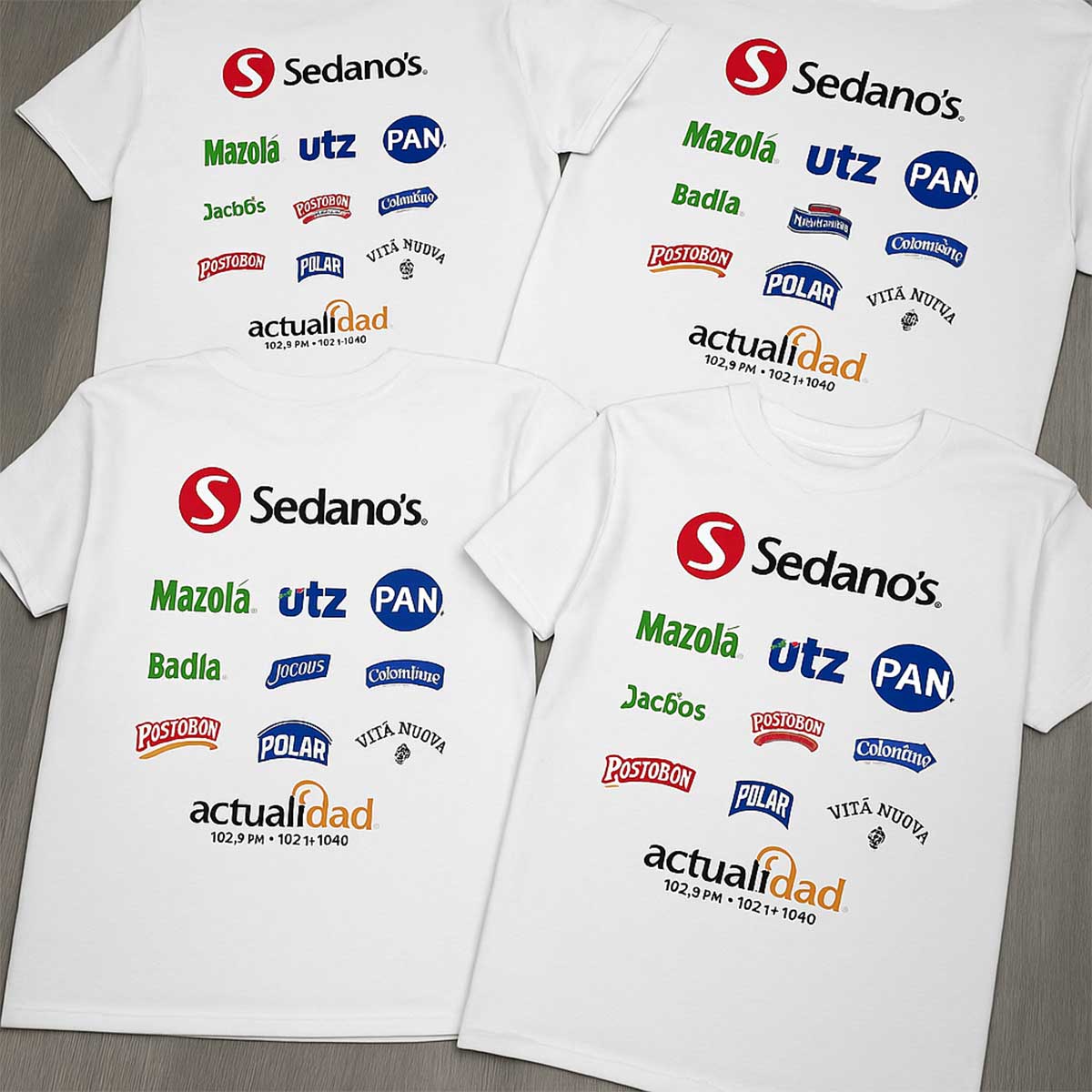
- Full-color and photo-realistic designs — gradients, shadows, and unlimited colors print with no extra cost.
- Small runs — ordering 5, 10, or 25 pieces? DTF has almost no setup cost, so small batches stay affordable.
Quick tip: If your logo has more than two or three colors, a gradient, or a photographic element, DTF is almost always the most cost-effective and best-looking option. Screen printing starts adding charges for every extra color.
DTF Pros and Cons
No method is perfect for everything. Here's an honest look.
Pros
- Unlimited colors at no extra cost — perfect for detailed logos.
- No minimum order — one shirt or one hundred.
- Works on cotton, polyester, blends, and most colored fabrics.
- Soft, flexible feel that moves with the garment.
- Fast turnaround with little setup.
Cons
- On very large solid prints, the hand-feel is slightly heavier than a thin screen print.
- Not the right choice for a stitched, premium look — that's where embroidery wins.
- Best results come from proper pressing and care, so quality depends on the shop.
DTF vs Screen Printing vs Embroidery
Choosing a decoration method comes down to your design, quantity, and the look you want. Here is the short version:
- DTF — best for full-color designs, small-to-medium runs, and dark garments. Vivid and flexible.
- Screen printing — best for large quantities of a simple, few-color design. The cost per shirt drops sharply at high volume.
- Embroidery — best for a premium, textured, long-lasting finish on polos, caps, and jackets. Ideal for logos rather than photos.
We go deeper into the trade-offs on our printing methods guide. For most Miami small businesses ordering branded tees in modest quantities, DTF is the sweet spot. If you want a comparison side by side with stitching, our embroidery page covers that finish in detail.
Is DTF Durable?
Yes — a well-pressed DTF print is genuinely durable. Because the design bonds into the fibers rather than just sitting on top, it resists cracking and fading far better than older transfer methods. A quality DTF print routinely survives 50 or more wash cycles while keeping its color.
To get the most life out of it, follow simple care:
- Turn the garment inside-out before washing.
- Wash in cold water on a gentle cycle.
- Tumble dry low or hang to dry.
- Do not iron directly on top of the print.
Treat it well and a DTF print will outlast the everyday wear of the shirt itself.
The Bottom Line
DTF printing is the modern, flexible way to put full-color designs on apparel without the minimums and color limits of older methods. For Miami businesses, teams, events, and brands that want vivid, durable custom apparel in any quantity, it is hard to beat. If you are still unsure which method fits your project, just send us your artwork and we will recommend the right one and give you a free quote.
FAQ
Is DTF printing good for small orders?
Yes. DTF has no screens to make, so there's little setup cost. That makes it ideal for small runs — even a single shirt — and for designs you want to reorder in different quantities later.
Will a DTF print crack or peel?
A properly pressed DTF print is flexible and bonded into the fabric, so it resists cracking and peeling for 50-plus washes when you wash inside-out in cold water and avoid ironing directly on the design.
Can DTF print full-color photos and gradients?
Yes. DTF prints in full CMYK plus white, so photographic images, gradients and unlimited colors all reproduce cleanly with no extra cost per color.