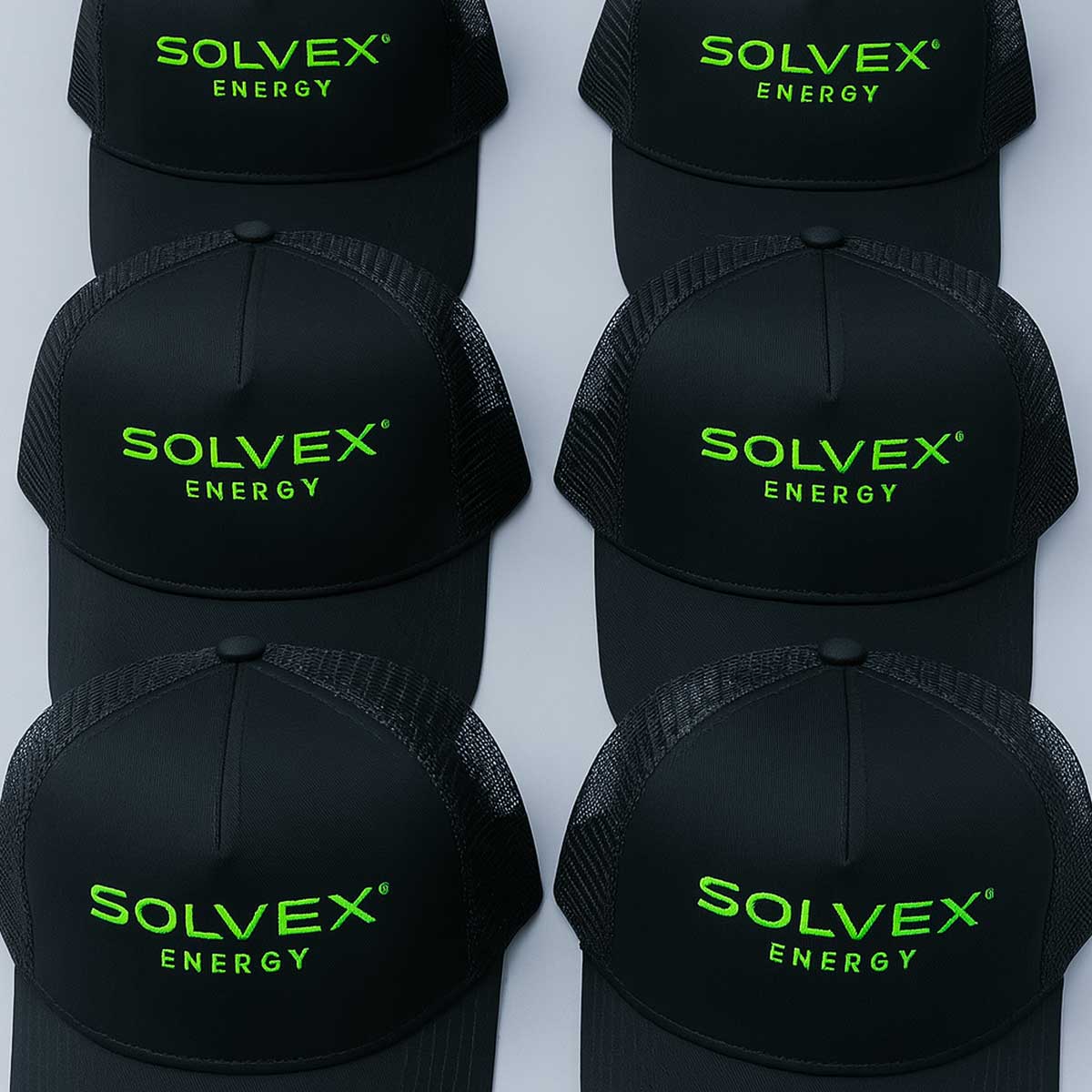
A hat is one of the smartest pieces of branded merchandise you can invest in. People wear caps everywhere — at the job site, the gym, the ballgame, the coffee shop — which turns every customer and employee into a walking billboard for your brand. Hats also flatter almost everyone, they suit any budget, and unlike a t-shirt that lives in a drawer, a good cap gets worn again and again. The only real question is how to put your logo on them.
There are four popular ways to customize hats, and each one looks and wears differently. Choosing the right method comes down to your artwork, your quantity, the look you want and how the hats will be used. Below we break down flat embroidery, 3D puff embroidery, leather and woven patches, and DTF heat transfer — with the best uses, pros and cons of each.
Flat Embroidery
Flat embroidery is the classic, go-to method for branded headwear. Your logo is digitized into a stitch file and sewn directly into the front, side or back of the cap with colored thread. The result is crisp, textured and unmistakably professional — the look most people picture when they think of a quality custom hat.
- Best for: company logos, monograms, text and clean vector marks on polos-and-caps uniform programs.
- Pros: extremely durable, premium feel, fade-resistant, and the standard for professional uniforms.
- Cons: not ideal for tiny lettering, gradients or photographic detail; there is a one-time digitizing step.
If you want a single hallmark look that lasts for years, flat embroidery is hard to beat. It is the workhorse of custom headwear for good reason.
3D Puff Embroidery
3D puff embroidery takes the same stitched look and raises it off the cap. A layer of foam is placed under the thread, then stitched over and trimmed, giving bold letters and shapes a raised, dimensional finish. It is the trademark style of structured caps and the streetwear-inspired look that is so popular right now.
- Best for: snapbacks, structured trucker caps, sports teams and bold single-color logos or block lettering.
- Pros: eye-catching, high-end, trend-forward, and stands out from across a room.
- Cons: works best with simple, chunky artwork — fine detail and thin lines do not puff well.
Not sure which look fits your brand? Send us your logo and we will recommend the method that reproduces it best — and show you a digital mockup before anything is made. Get a free quote and we will walk you through the options.
Leather & Woven Patches
Patches give a cap an elevated, retail-ready look. A laser-cut leather, faux-leather (PU) or woven fabric patch is produced separately, then attached to the front panel. This is the finish you see on premium outdoor brands and boutique hat lines — it instantly reads as a product worth paying for.
- Best for: premium and retail hats, outdoor and lifestyle brands, and logos you want to sell rather than give away.
- Pros: upscale appearance, great perceived value, and patches can carry detail and texture that thread alone cannot.
- Cons: a higher per-unit cost than plain embroidery, and there is lead time to produce the patches themselves.
DTF & Heat Transfer on Hats
DTF (direct-to-film) is a full-color heat transfer that opens up designs thread simply cannot do. Your artwork is printed onto a special film and heat-pressed onto the cap, so you get vivid color, smooth gradients and photographic detail in a single application. It is also wonderfully economical for small runs because there is no digitizing or stitch setup.
- Best for: full-color and detailed artwork, gradients, photos, event hats and small or one-off orders.
- Pros: unlimited color, fine detail, fast turnaround, and cost-effective even for a handful of caps.
- Cons: a flatter finish than embroidery, and the curved, structured front of some caps takes pressing skill to get right.
For vibrant, complex designs — or when you only need a few — DTF printing is often the smartest choice.
Which Hat Styles Work Best
The style of cap you pick changes which method shines. Here is a quick guide to the most popular blanks:
- Baseball / dad caps: versatile and comfortable — flat embroidery and DTF both look great.
- Snapbacks: the flat, structured front is made for bold 3D puff embroidery and patches.
- Trucker caps: the foam front panel takes 3D puff, patches and embroidery beautifully.
- Dad hats: soft, unstructured crowns favor lower-profile flat embroidery.
- Beanies: knit caps work well with flat embroidery and woven labels along the cuff.
Explore the blanks we stock on our custom hats page to see what fits your project.
How to Choose
Still deciding? Run through this short checklist:
- Look at your artwork. Simple, bold logo? Embroidery or patches. Full-color or photographic? DTF.
- Count your quantity. A dozen or more matching caps? Embroidery is economical. Just a few? DTF or patches.
- Set the vibe. Professional and durable points to embroidery; premium retail points to patches; bold and trendy points to 3D puff.
- Think about wear. Daily uniforms and outdoor use reward the durability of stitched embroidery.
- Mind the budget. Patches add cost; DTF keeps small runs affordable; flat embroidery is the value sweet spot at volume.
Conclusion
There is no single “best” way to customize a hat — only the best method for your logo, quantity and goal. Flat embroidery is the durable, professional default. 3D puff embroidery makes a bold, trend-forward statement. Leather and woven patches deliver a premium, retail-ready finish. And DTF unlocks full-color, detailed artwork for runs of any size. Whichever direction you lean, the secret to a great result is starting with clean artwork and a shop that will show you a mockup before production.
FAQ
What is the most durable way to customize a hat?
Embroidery is the most durable option. Stitched thread is sewn directly into the cap, so it holds up to washing, sun and daily wear far longer than most printed methods — which is why it is the standard for uniforms and long-lasting branded headwear.
Can you put a full-color photo or gradient on a hat?
Yes. DTF (direct-to-film) heat transfer reproduces full-color artwork, gradients and fine photographic detail that thread cannot match, making it ideal for vivid, complex designs and small runs where embroidery digitizing would be costly.
What is the minimum order for custom hats?
It depends on the method. DTF and patches are cost-effective for small runs and even single pieces, while flat and 3D embroidery are most economical once you order a dozen or more matching caps. Contact us for a free quote on your quantity.